TEXTILE Artist — TOKYO & LONDON
Kogo
Weaving is the language through which I translate the quiet rhythms of the world into form..
Selected Works
2025 — 2026
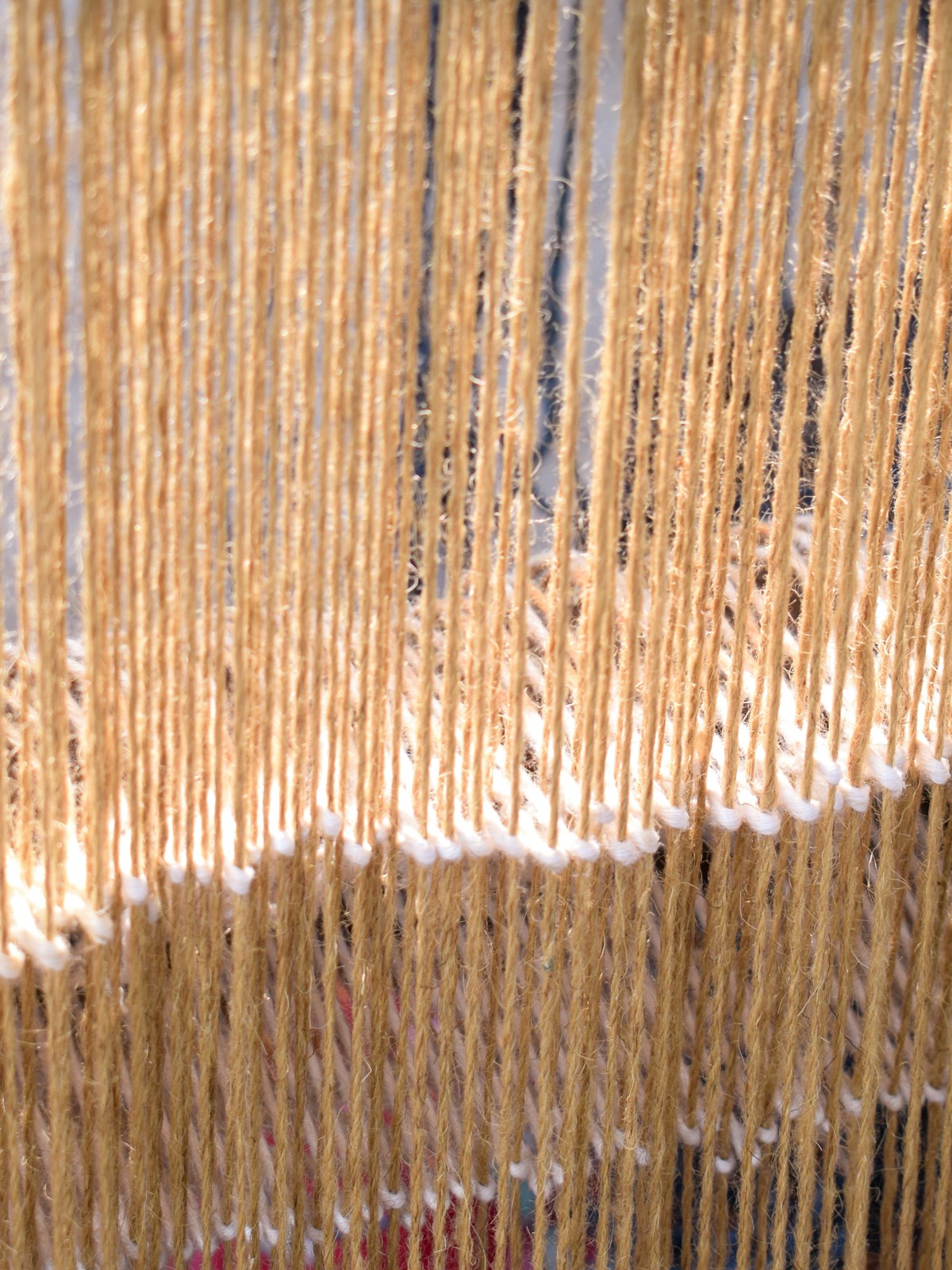
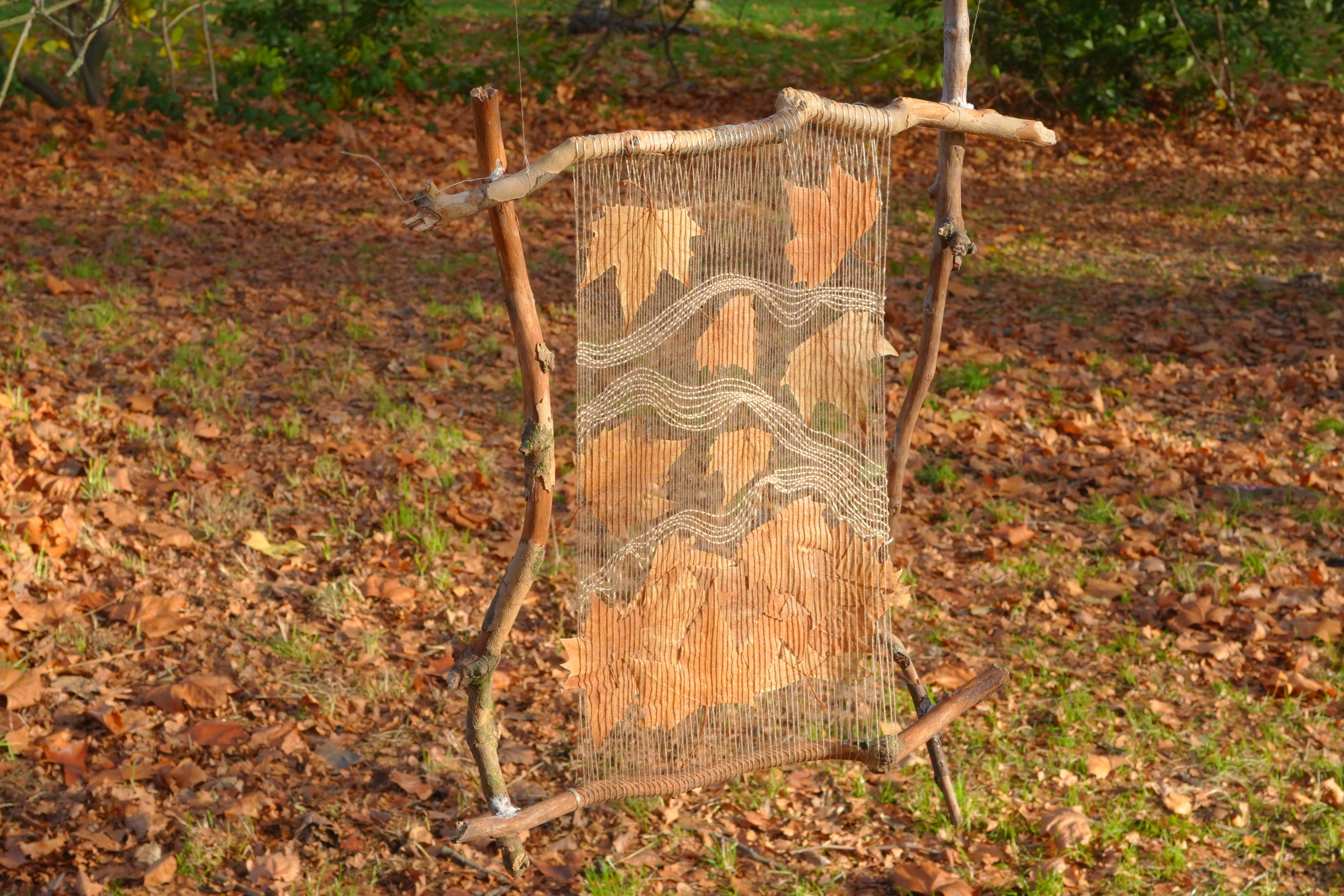
Fallen Traces
Silk, Plant dye, Plane tree(leaves, branches)
2025
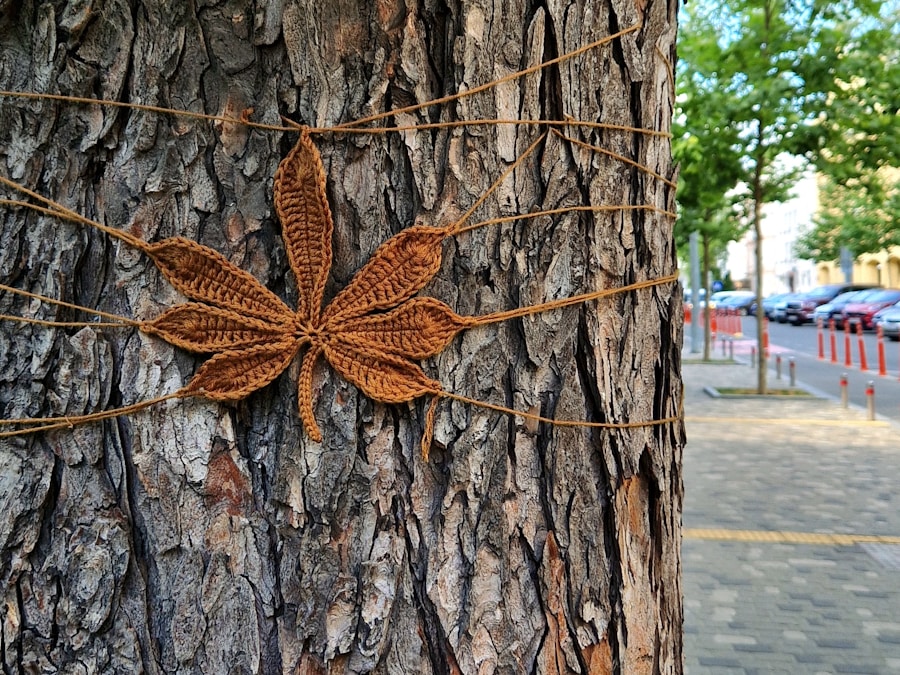
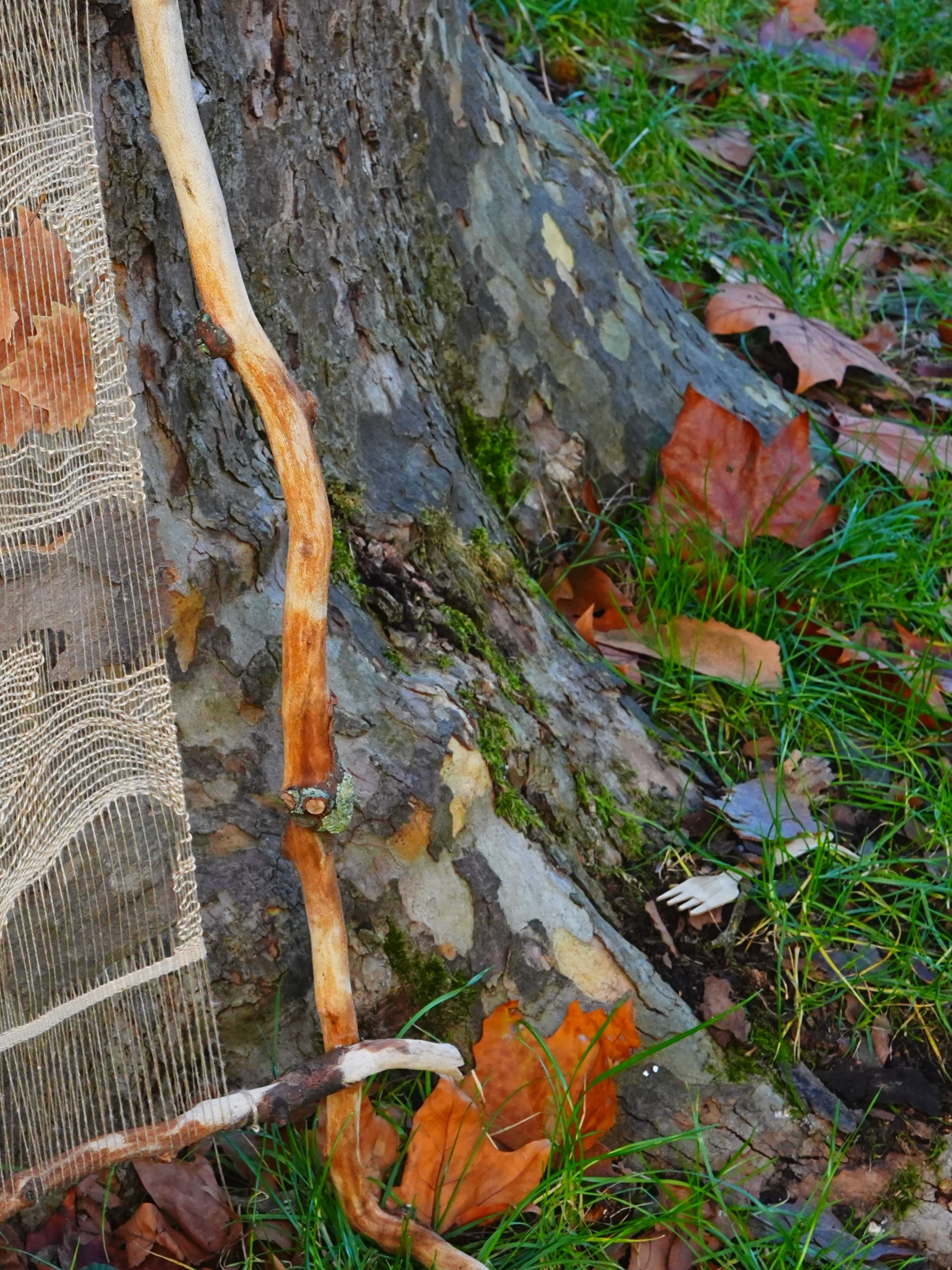
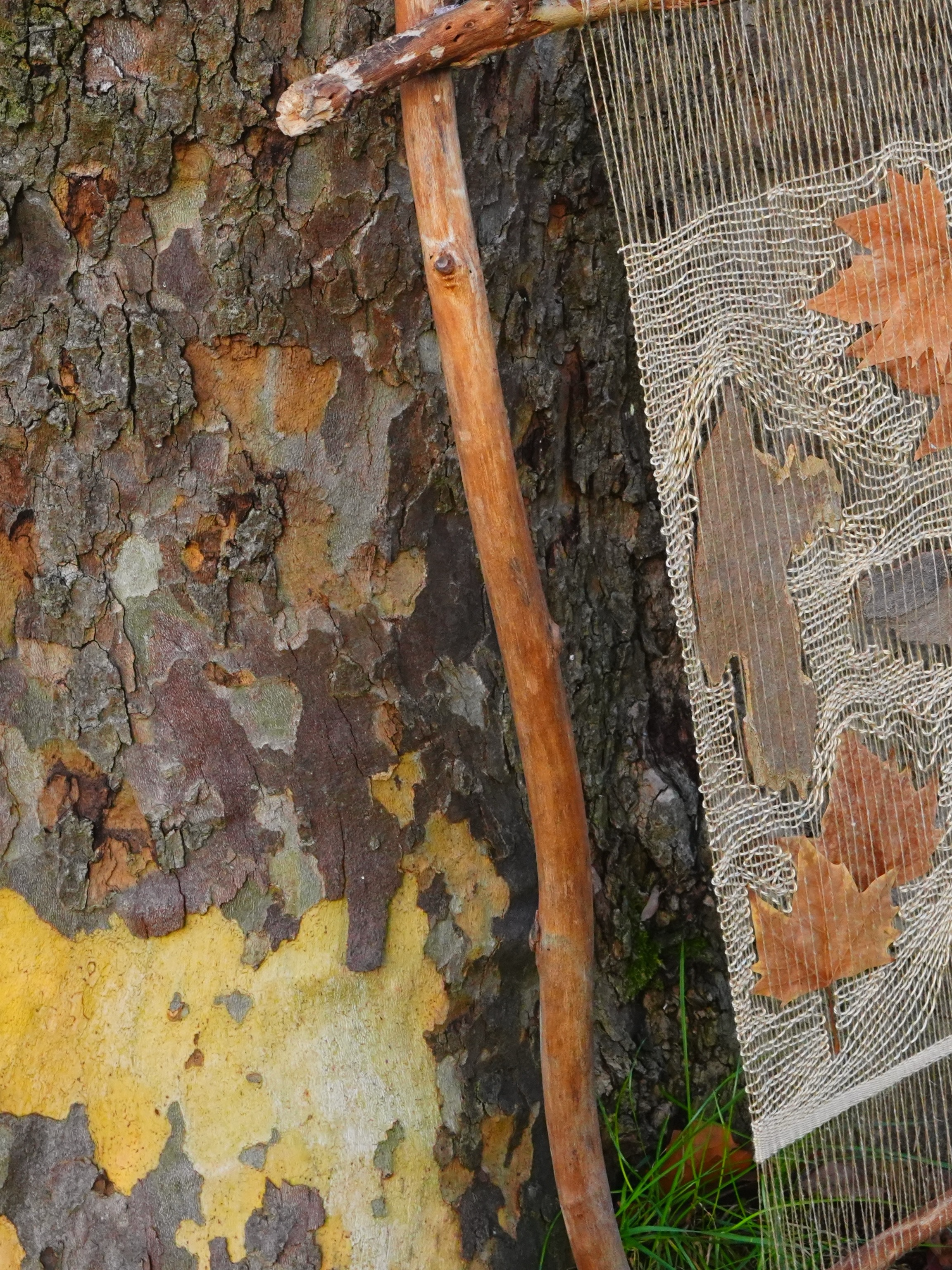
Plane Tree Memory (Autumn)
Silk, Plant dye, Plane tree(bark, branch, leave)
2025
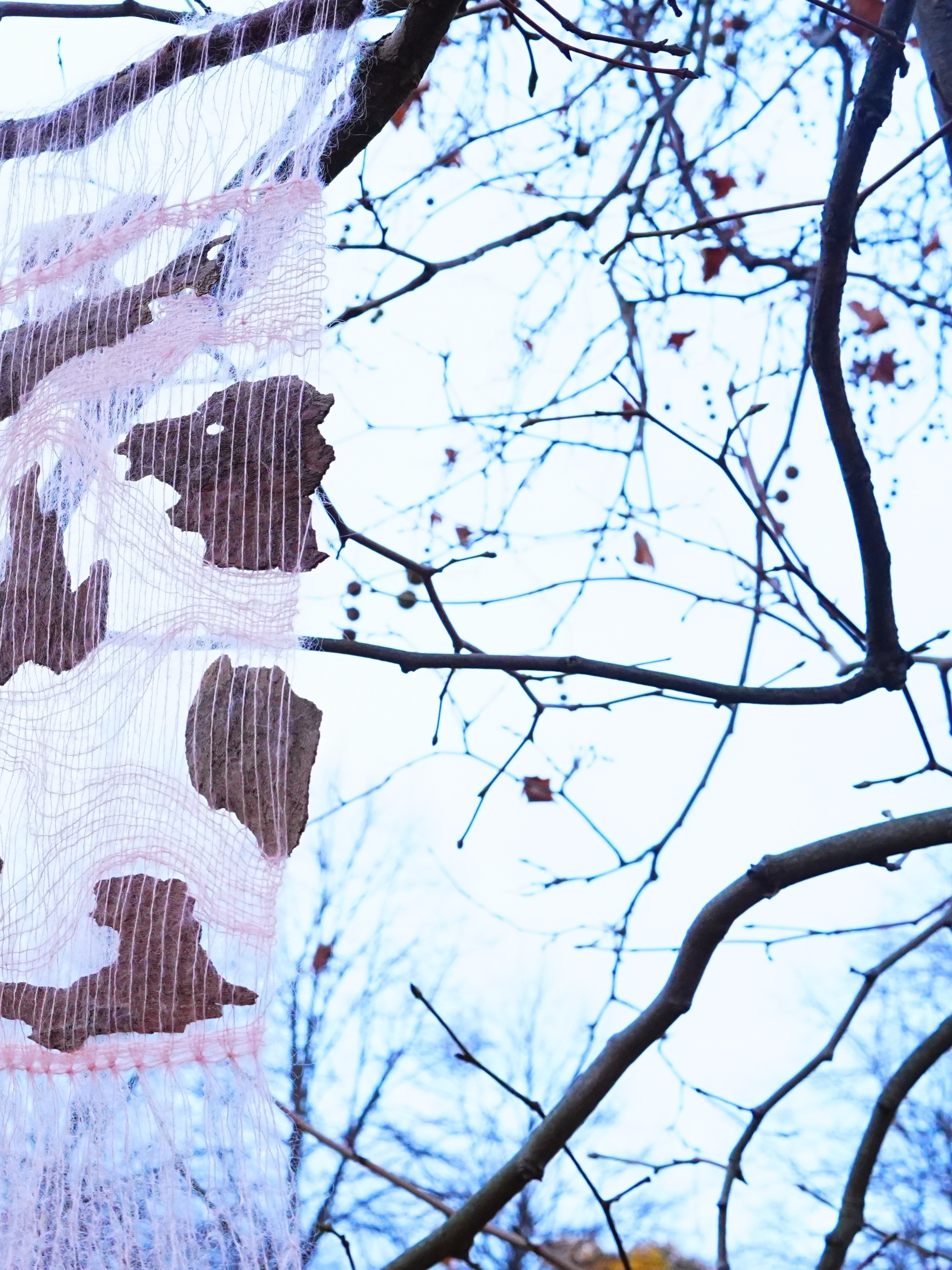
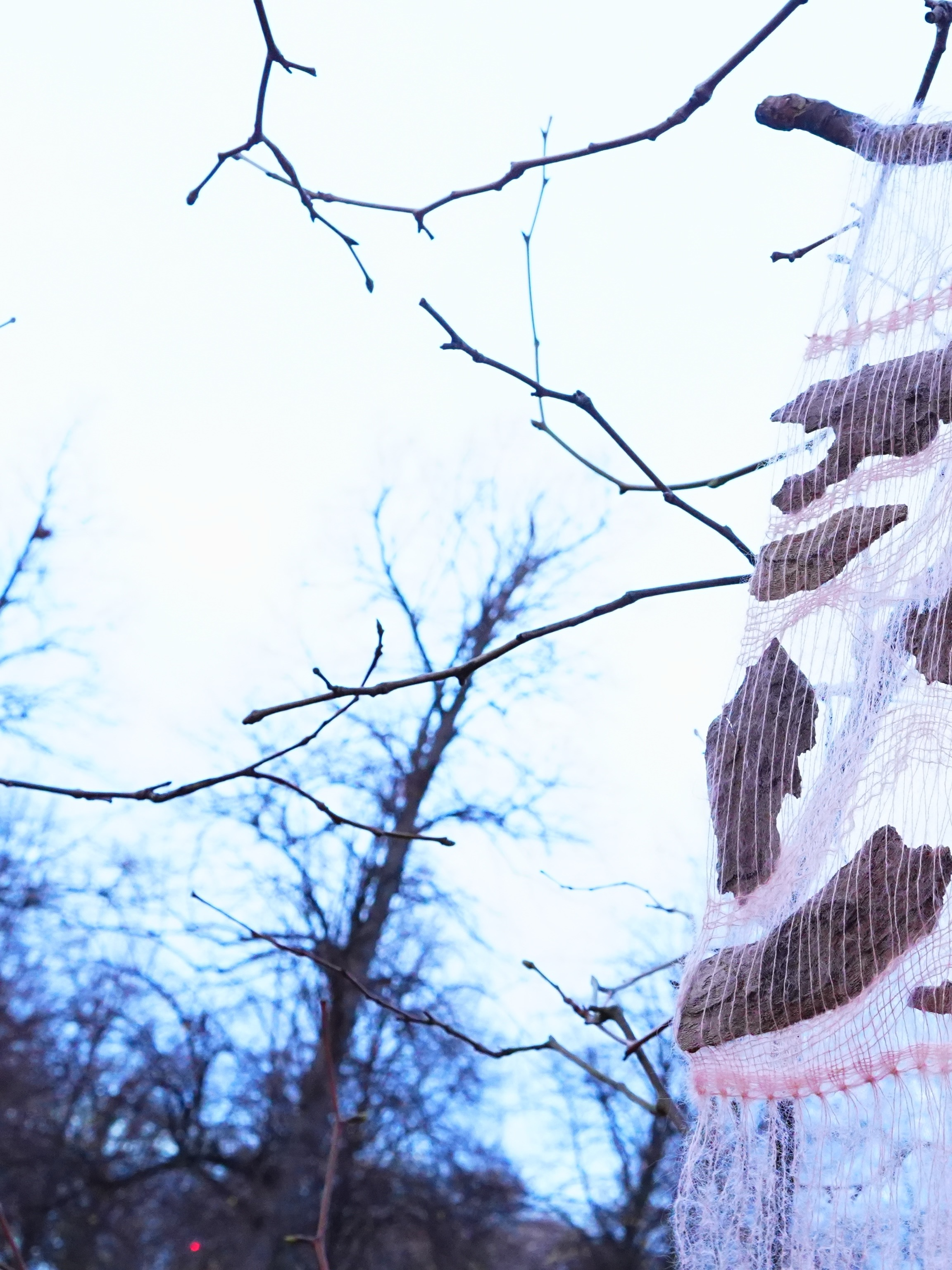
Plane Tree Memory (Winter)
Mohair, Plane tree bark
2025
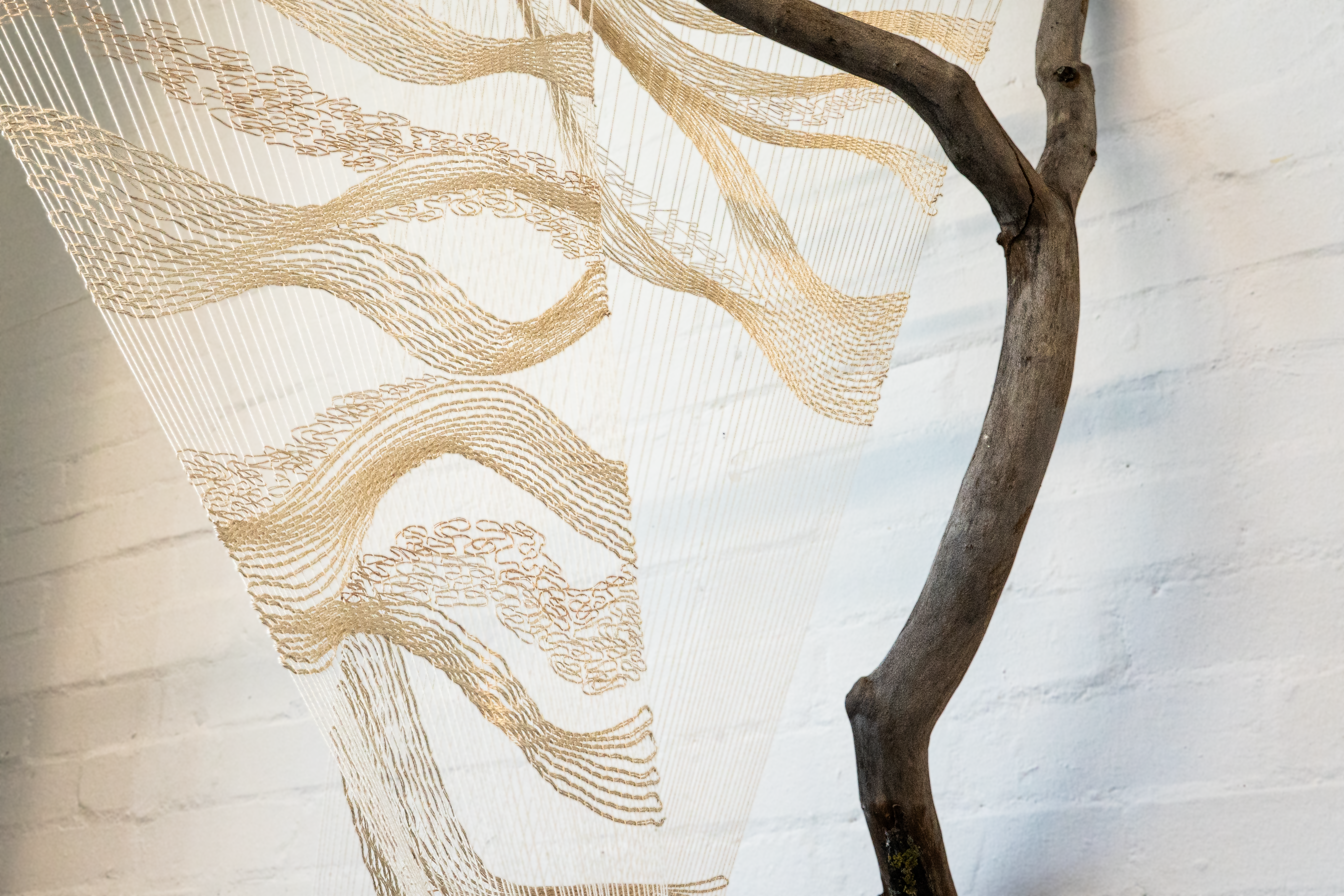
Time Flow II
Spun silk, Single twist silk, Plant dye, Plane tree branch
2026

Practice
Weaving as a Way of
Seeing the Natural World
Kogo’s practice begins with exploring nature through walking, observing, and collecting. He is drawn to the breathing of forests, the flow of water, the growth of plants, and the traces that time leaves within natural materials.
In the studio, fallen leaves, bark, branches, seeds, and plant fibres are reconnected through thread. Through different materials, arrangements, tensions, and rhythms, these fragments form a textile language that carries structure, emotion, and a sense of time.
For Kogo, weaving is a way of seeing the world. It makes overlooked details in nature visible again, while revealing the quiet relationship between material, body, and time
Materials
Plant Dyes
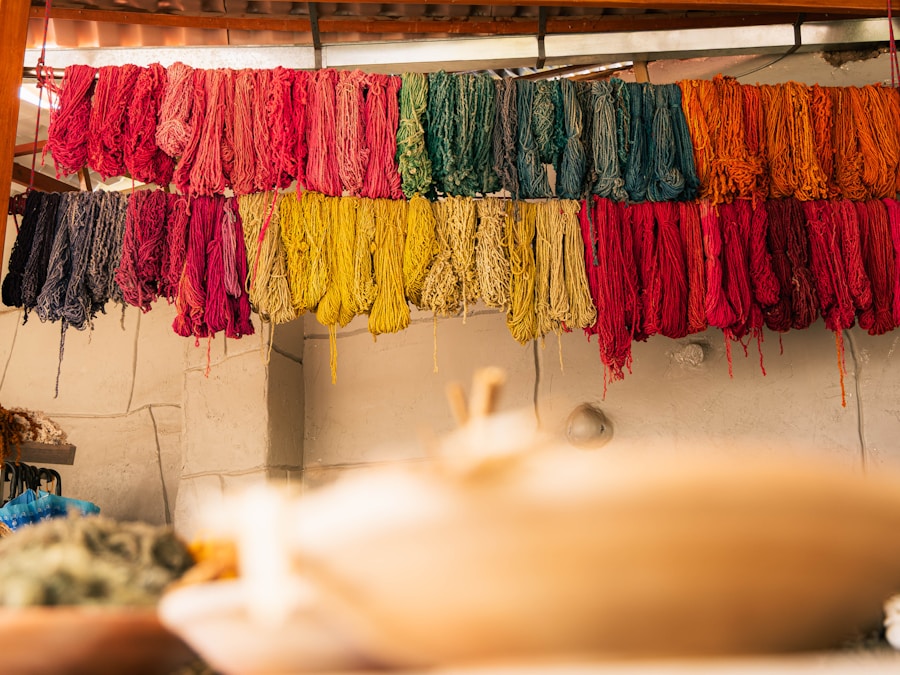
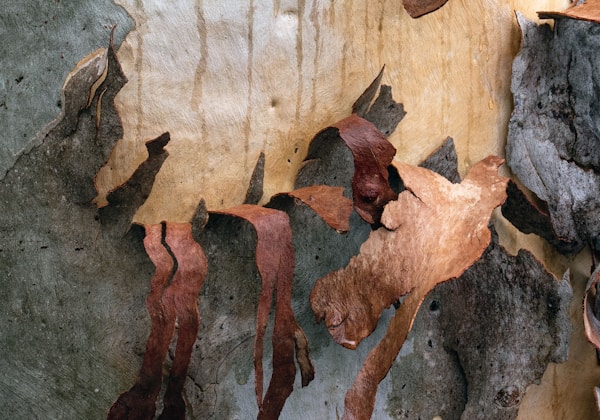
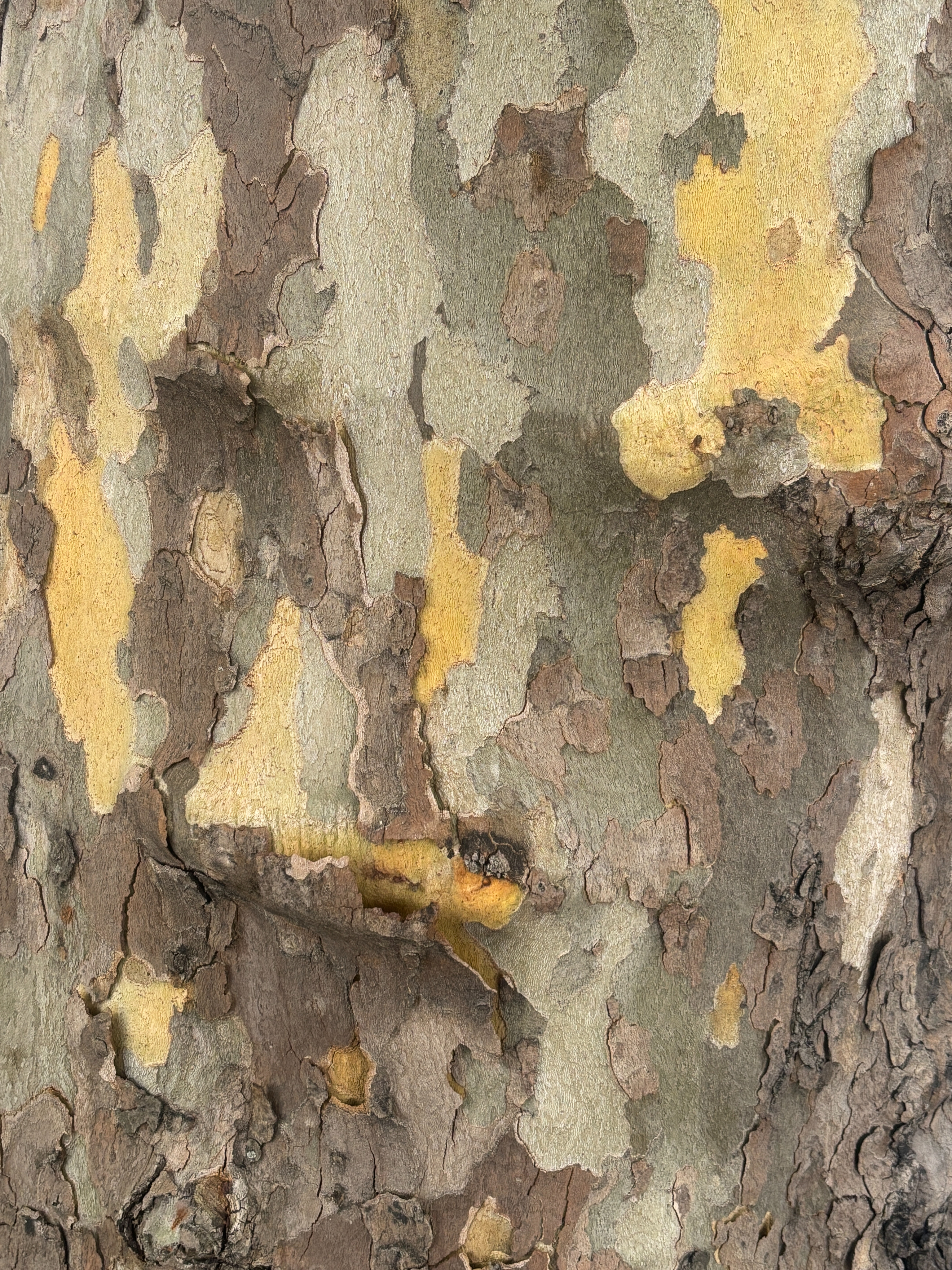
Natural dyeing is Kogo's primary colouring process. By extracting colour directly from plants, each batch develops subtle variations shaped by season, material and time.
Natural Fibers
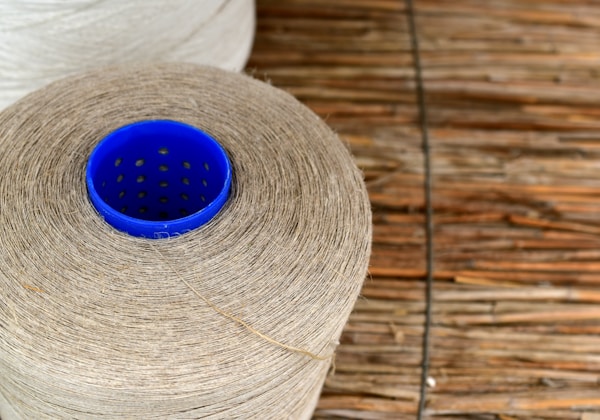
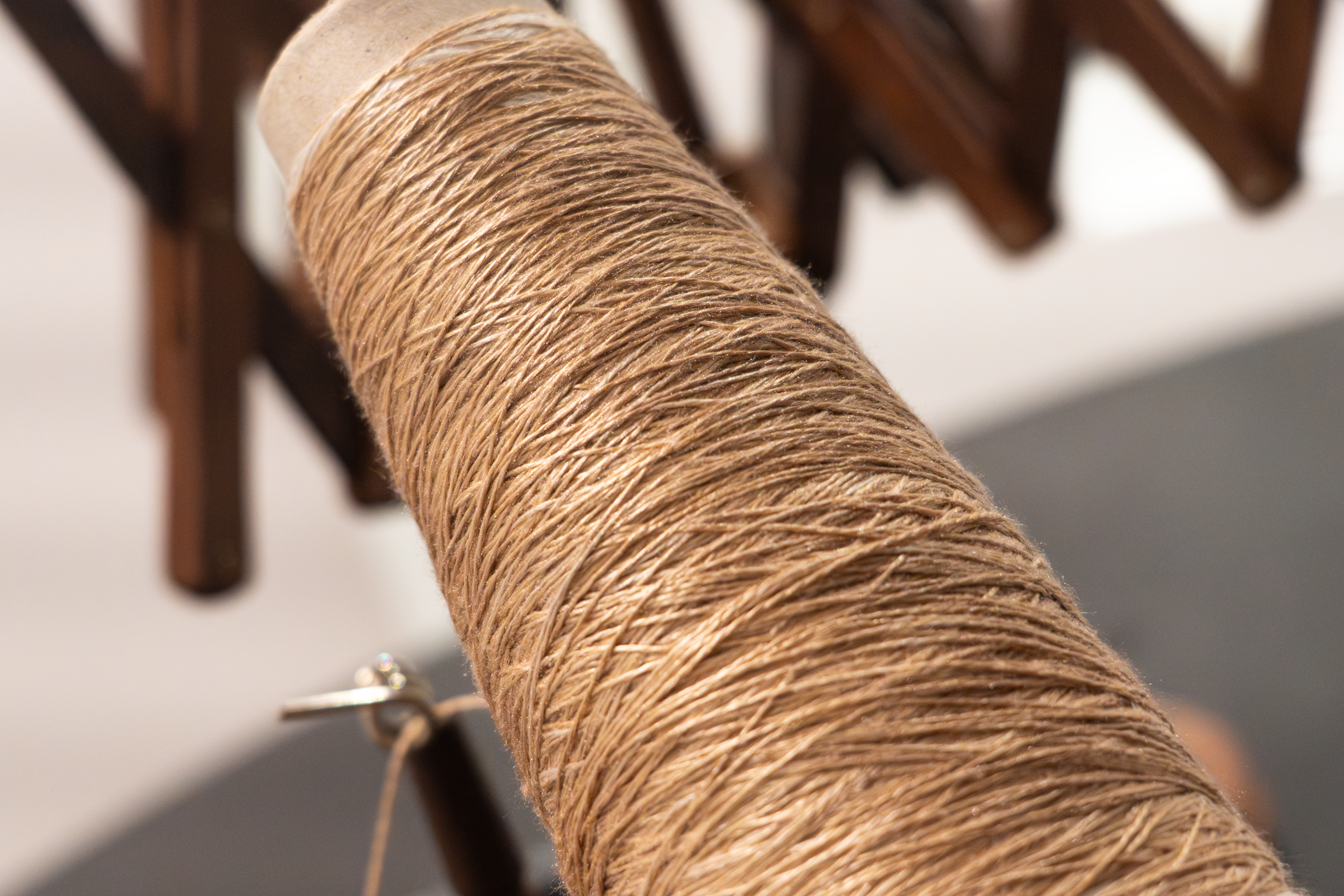
Kogo works primarily with natural animal fibres. Formed through the growth and transformation of living organisms, these fibres carry the traces of natural processes, making them an essential part of his material practice.
Found Elements
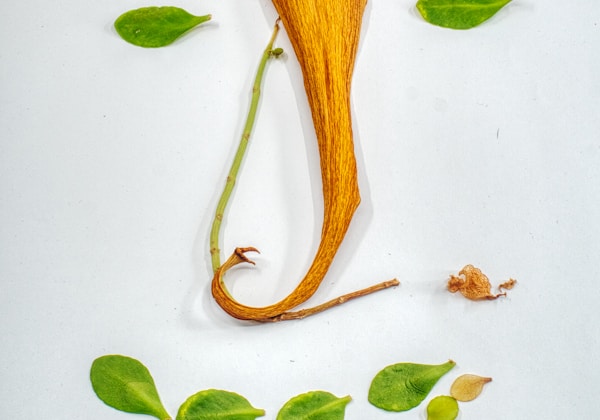
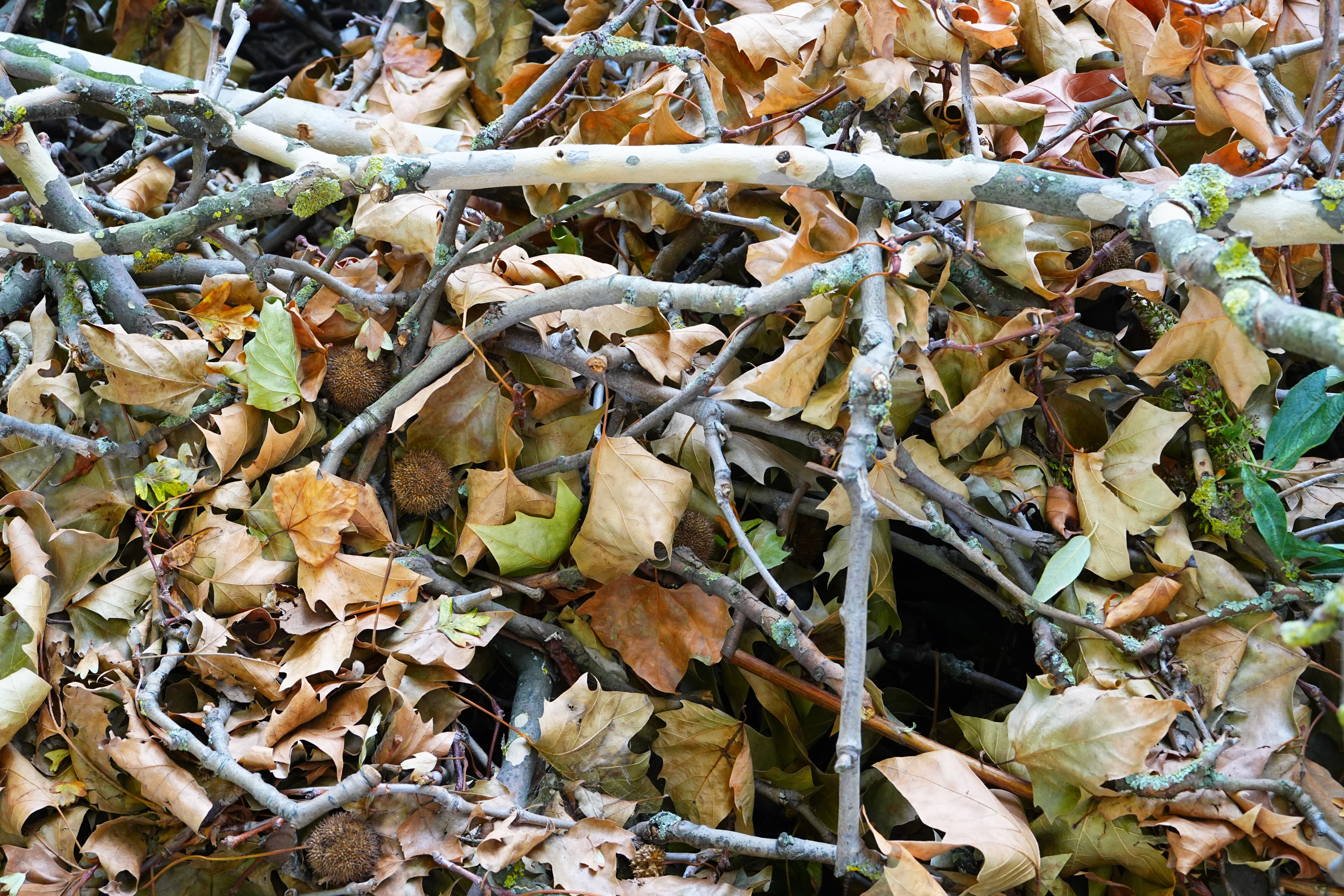
Kogo collects naturally fallen branches, bark and leaves during long walks. Each material is chosen for its unique structure and the history it carries.
Artist Statement
Kogo is a textile artist whose practice explores the relationship between nature, time and material through weaving. His work begins with walking, observing and collecting, treating the natural environment not simply as a source of materials, but as a place for reflection, perception and collaboration.
Working primarily with naturally fallen branches, bark, leaves, natural animal fibres and plant dyes, Kogo is interested in the histories already embedded within materials. Rather than transforming nature into something new, he seeks to reveal the quiet processes that have already taken place—growth, weathering, decay and the continuous passage of time.
Weaving, for Kogo, is more than a textile technique; it is a way of understanding the world. Through tension, rhythm and repetition, he translates experiences that cannot normally be seen into physical and spatial forms. His installations explore how time accumulates through subtle change, how landscapes are slowly shaped by natural forces, and how materials themselves become records of these transformations.
Kogo
© 2025 — All rights reserved
Press
Kogo
Material Artist — Kyoto & Amsterdam
Kogo
Weaving as a language for time — through silk thread, fallen leaves, plant dye, and the unhurried pace of natural observation.
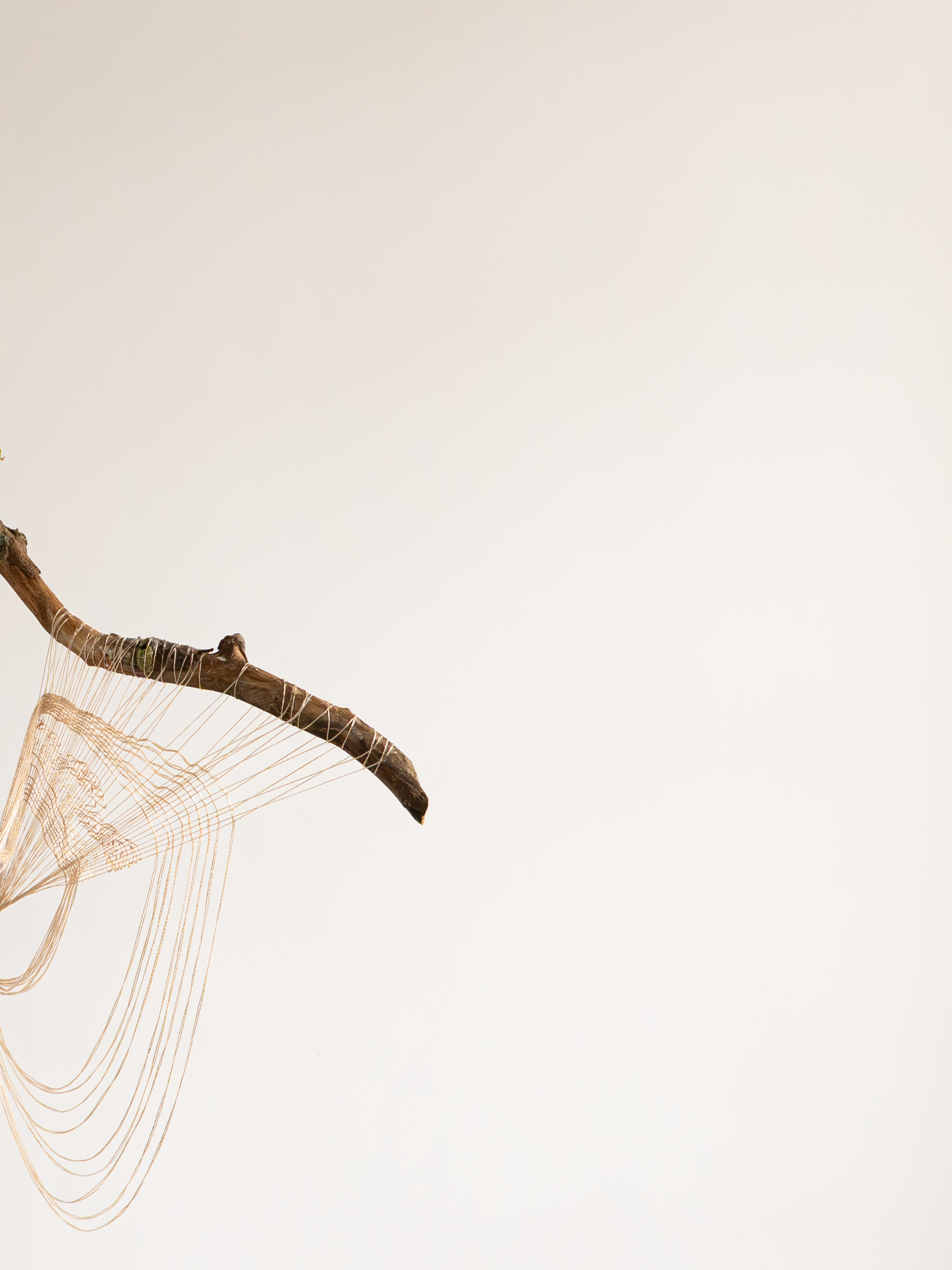
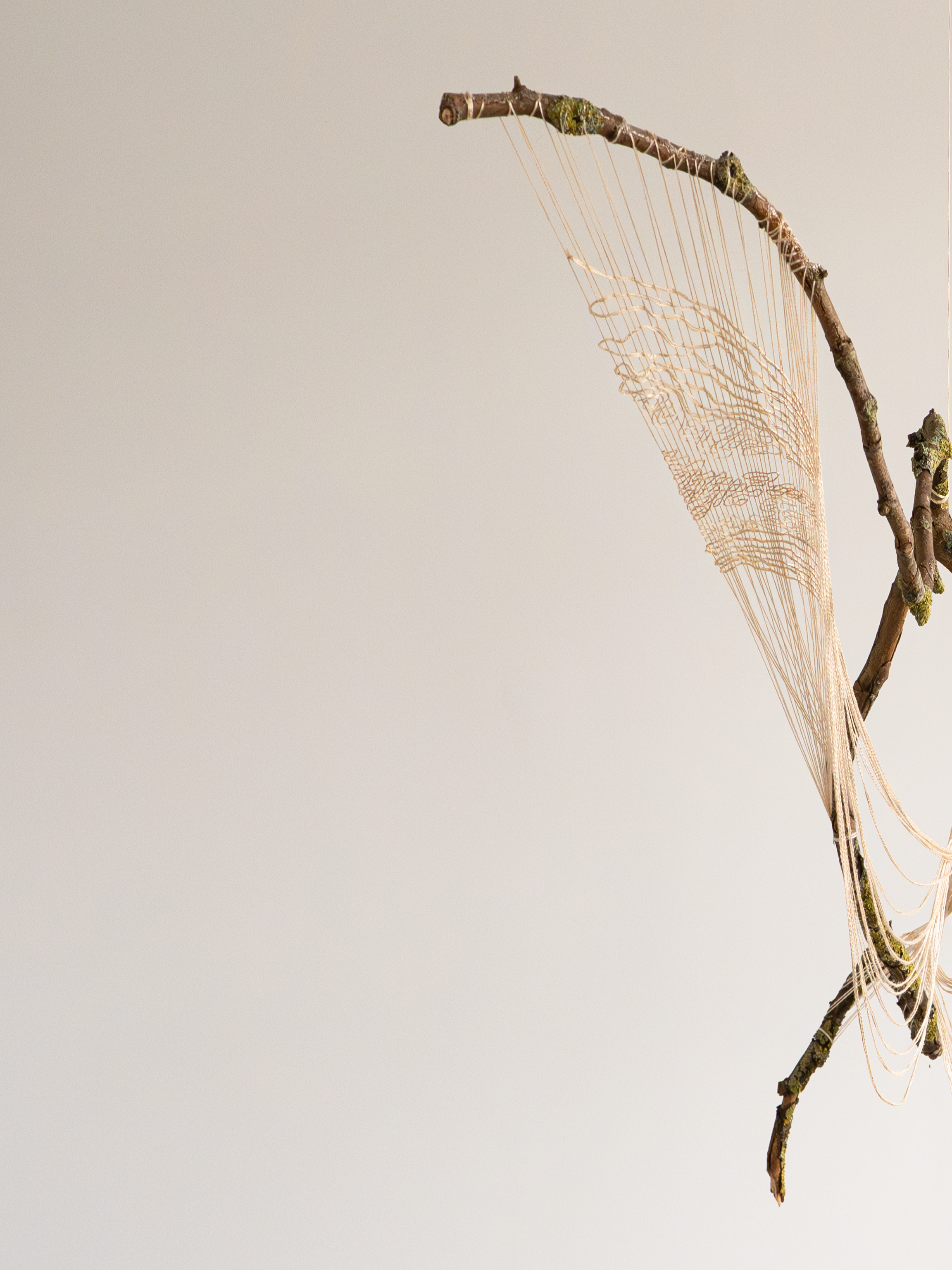
weaving artwork
2025 — 2026
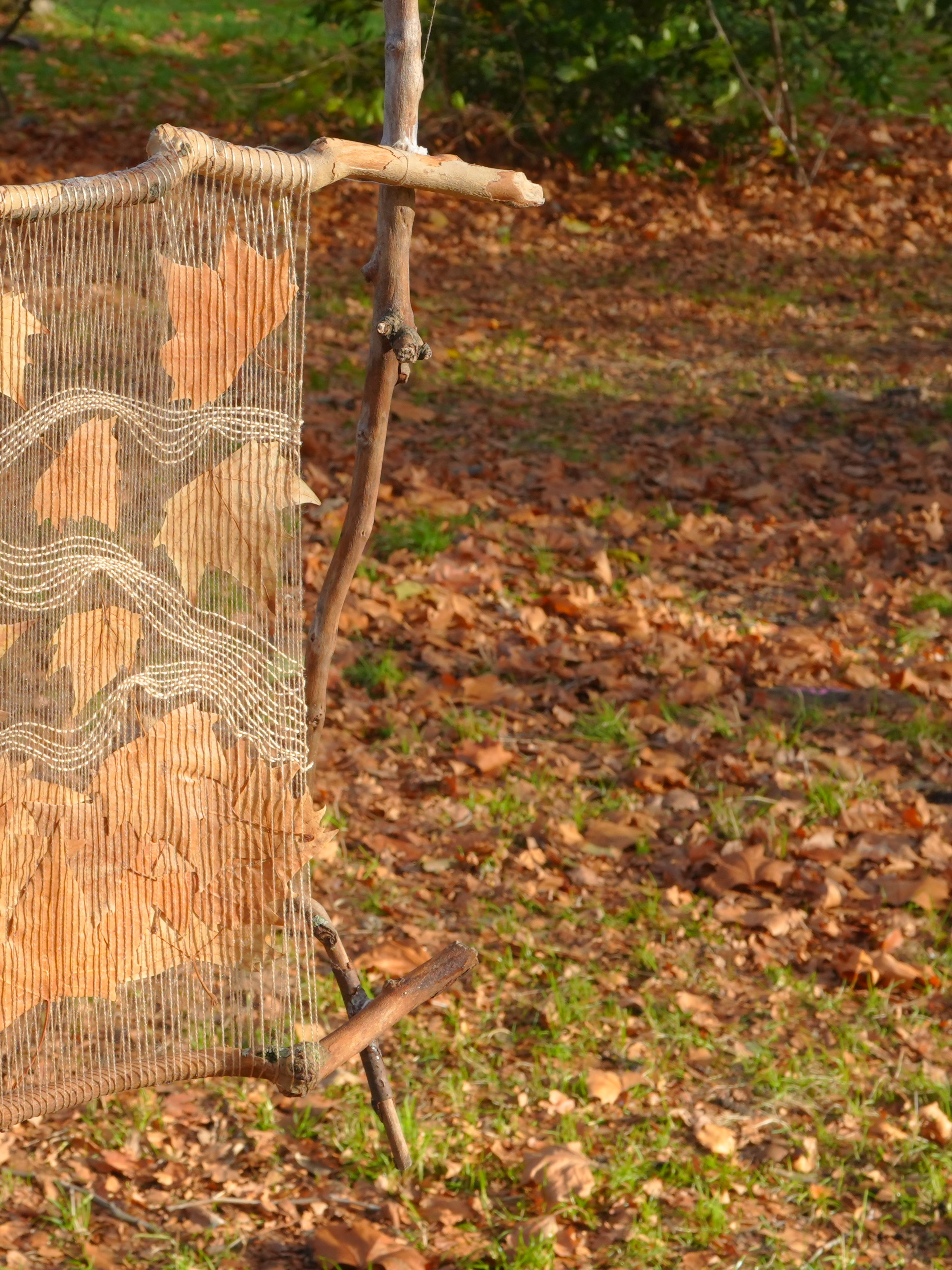
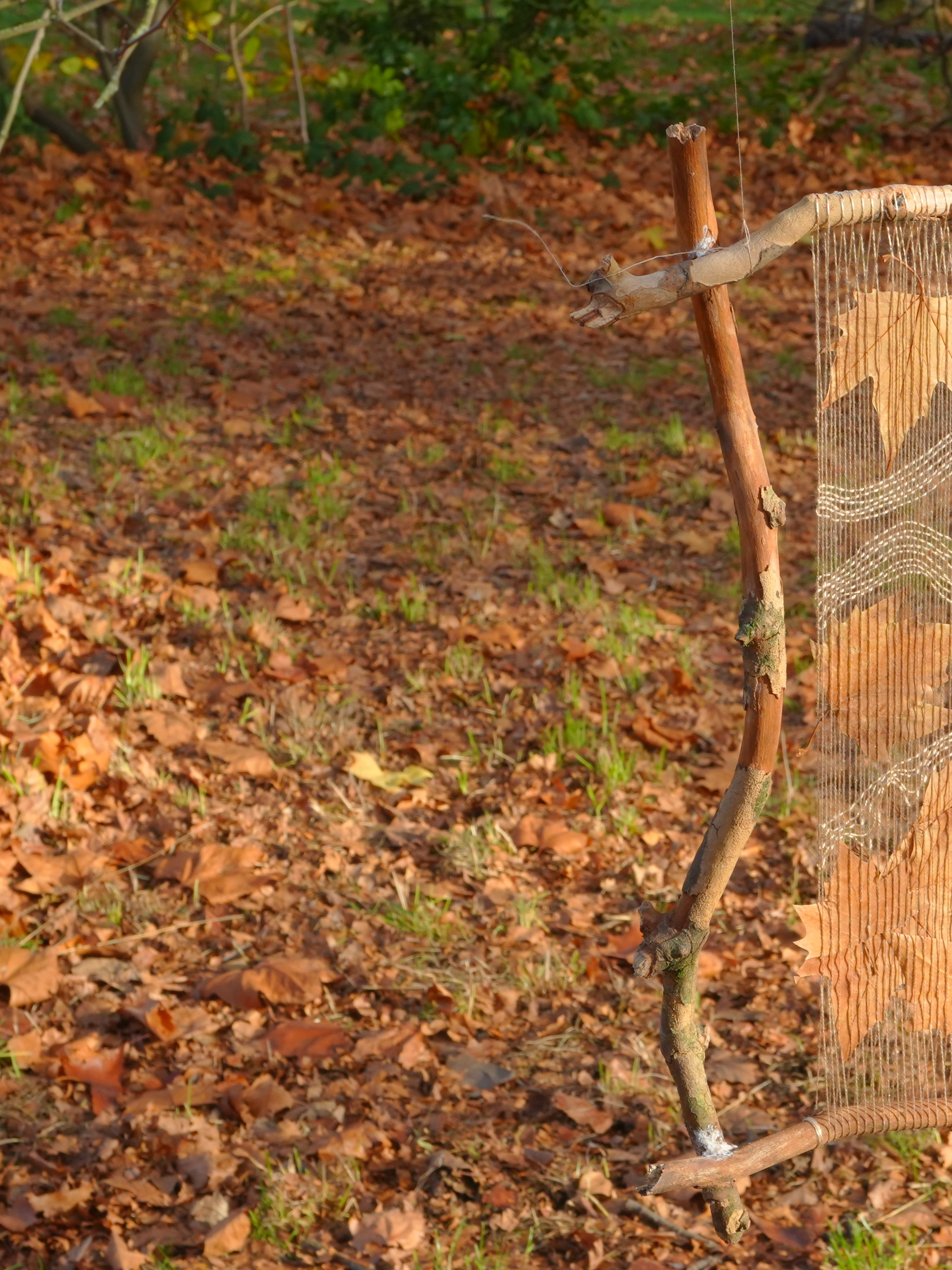
Plane Tree Memory (Winter)
Mohair, Plane tree bark
2025
Plane Tree Memory (Autumn)
Silk, Plant dye, Plane tree(bark, branch, leave)
2025
Fallen Traces
Silk, Plant dye, Plane tree(leaves, branches)
2025
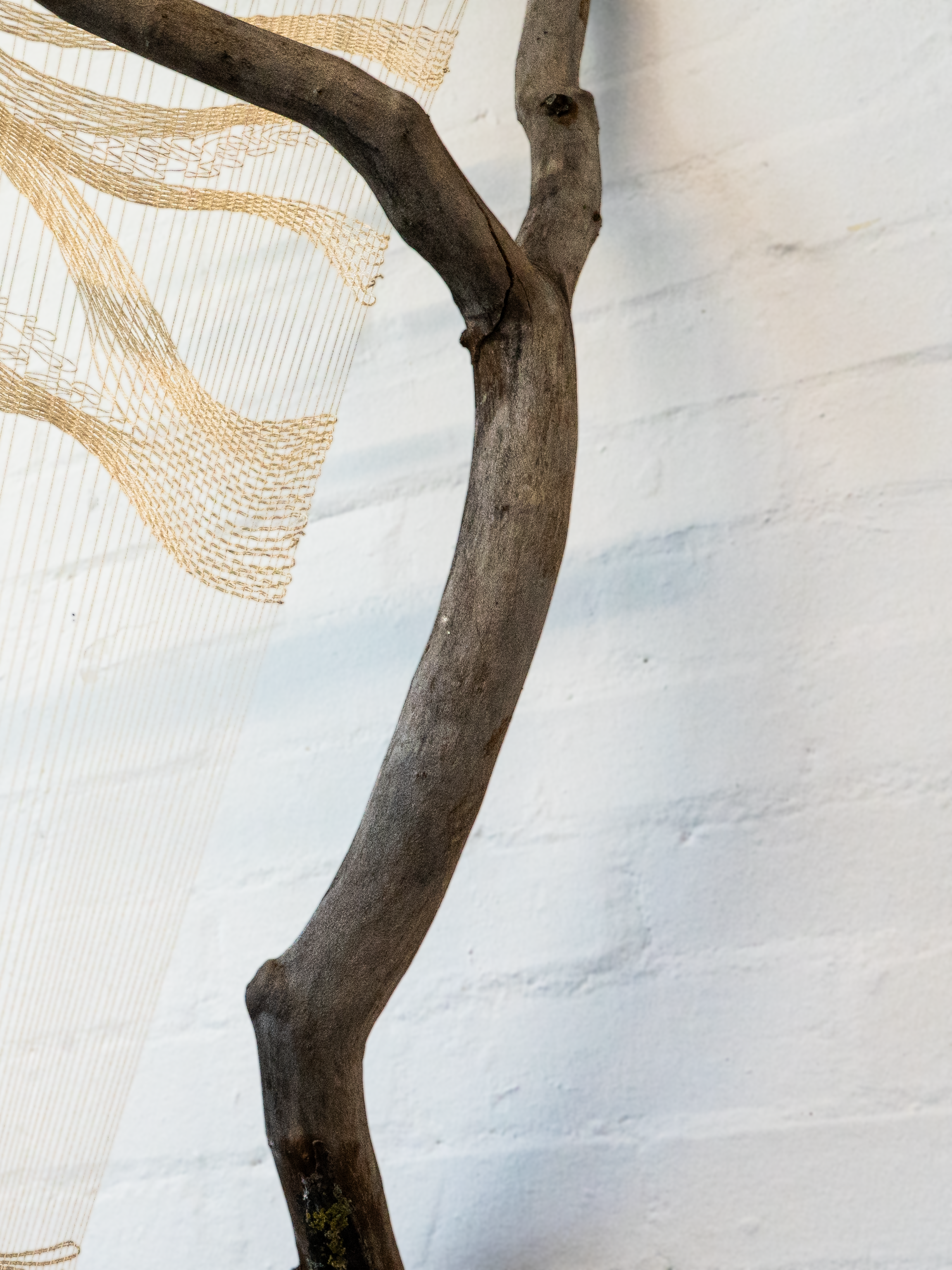
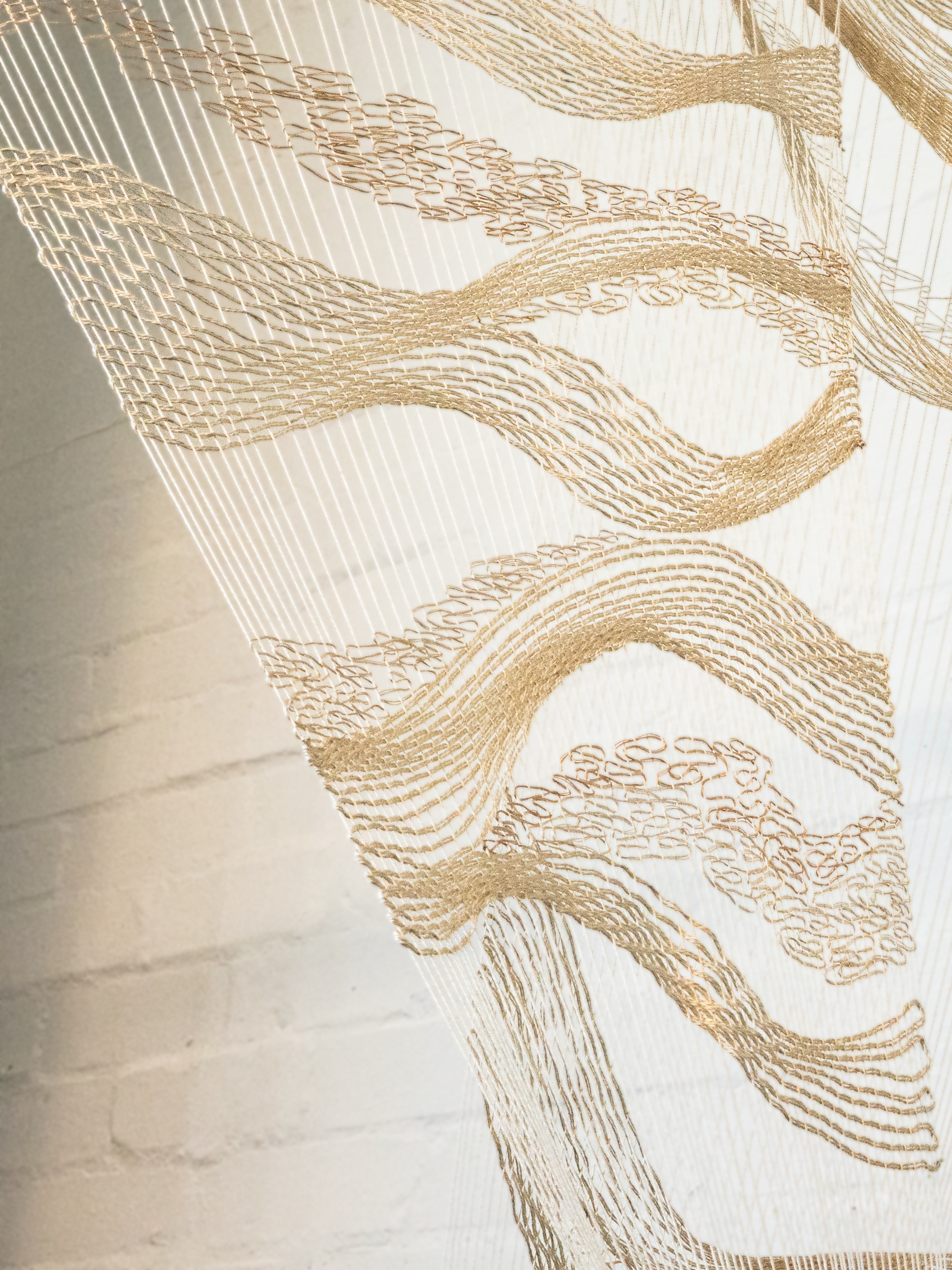
Time Flow II
Spun silk, Single twist silk, Plant dye, Plane tree branch
2026
Practice
Weaving as a Way of
Seeing the Natural World
Kogo’s practice begins with exploring nature through walking, observing, and collecting. He is drawn to the breathing of forests, the flow of water, the growth of plants, and the traces that time leaves within natural materials.
In the studio, fallen leaves, bark, branches, seeds, and plant fibres are reconnected through thread. Through different materials, arrangements, tensions, and rhythms, these fragments form a textile language that carries structure, emotion, and a sense of time.
For Kogo, weaving is a way of seeing the world. It makes overlooked details in nature visible again, while revealing the quiet relationship between material, body, and time
Materials
Plant Dyes
Natural dyeing is Kogo's primary colouring process. By extracting colour directly from plants, each batch develops subtle variations shaped by season, material and time.
Natural Fibers
Natural dyeing is Kogo's primary colouring process. By extracting colour directly from plants, each batch develops subtle variations shaped by season, material and time.
Found Elements
Kogo collects naturally fallen branches, bark and leaves during long walks. Each material is chosen for its unique structure and the history it carries.
Artist Statement
Kogo is a textile artist whose practice explores the relationship between nature, time and material through weaving. His work begins with walking, observing and collecting, treating the natural environment not simply as a source of materials, but as a place for reflection, perception and collaboration.
Working primarily with naturally fallen branches, bark, leaves, natural animal fibres and plant dyes, Kogo is interested in the histories already embedded within materials. Rather than transforming nature into something new, he seeks to reveal the quiet processes that have already taken place—growth, weathering, decay and the continuous passage of time.
Weaving, for Kogo, is more than a textile technique; it is a way of understanding the world. Through tension, rhythm and repetition, he translates experiences that cannot normally be seen into physical and spatial forms. His installations explore how time accumulates through subtle change, how landscapes are slowly shaped by natural forces, and how materials themselves become records of these transformations.
Contact
For inquiries,
collaborations,
and exhibitions.
fuhonggang341@outlook.com
Kogo
© 2025 — All rights reserved
Press
Kogo
Works
Practice
Artist Statement
Contact
Material Artist — Kyoto & Amsterdam
Kogo
Weaving as a language for time — through silk thread, fallen leaves, plant dye, and the unhurried pace of natural observation.
weaving artwork
2025 — 2026
Plane Tree Memory (Winter)
Mohair, Plane tree bark
2025
Plane Tree Memory (Autumn)
Silk, Plant dye, Plane tree(bark, branch, leave)
2025
Fallen Traces
Silk, Plant dye, Plane tree(leaves, branches)
2025
Time Flow II
Spun silk, Single twist silk, Plant dye, Plane tree branch
2026
Practice
Weaving as a Way of
Seeing the Natural World
Kogo’s practice begins with exploring nature through walking, observing, and collecting. He is drawn to the breathing of forests, the flow of water, the growth of plants, and the traces that time leaves within natural materials.
In the studio, fallen leaves, bark, branches, seeds, and plant fibres are reconnected through thread. Through different materials, arrangements, tensions, and rhythms, these fragments form a textile language that carries structure, emotion, and a sense of time.
For Kogo, weaving is a way of seeing the world. It makes overlooked details in nature visible again, while revealing the quiet relationship between material, body, and time
Materials
Plant Dyes
Natural dyeing is Kogo's primary colouring process. By extracting colour directly from plants, each batch develops subtle variations shaped by season, material and time.
Natural Fibers
Natural dyeing is Kogo's primary colouring process. By extracting colour directly from plants, each batch develops subtle variations shaped by season, material and time.
Found Elements
Kogo collects naturally fallen branches, bark and leaves during long walks. Each material is chosen for its unique structure and the history it carries.
Artist Statement
Kogo is a textile artist whose practice explores the relationship between nature, time and material through weaving. His work begins with walking, observing and collecting, treating the natural environment not simply as a source of materials, but as a place for reflection, perception and collaboration.
Working primarily with naturally fallen branches, bark, leaves, natural animal fibres and plant dyes, Kogo is interested in the histories already embedded within materials. Rather than transforming nature into something new, he seeks to reveal the quiet processes that have already taken place—growth, weathering, decay and the continuous passage of time.
Weaving, for Kogo, is more than a textile technique; it is a way of understanding the world. Through tension, rhythm and repetition, he translates experiences that cannot normally be seen into physical and spatial forms. His installations explore how time accumulates through subtle change, how landscapes are slowly shaped by natural forces, and how materials themselves become records of these transformations.
Contact
For inquiries,
collaborations,
and exhibitions.
fuhonggang341@outlook.com
Kogo
© 2025 — All rights reserved
Press
Kogo
Works
Practice
Artist Statement
Contact

Back to home
Work / 2026
Time
Flow I
Weaving is the language through which I translate the quiet rhythms of the world into form.
Material
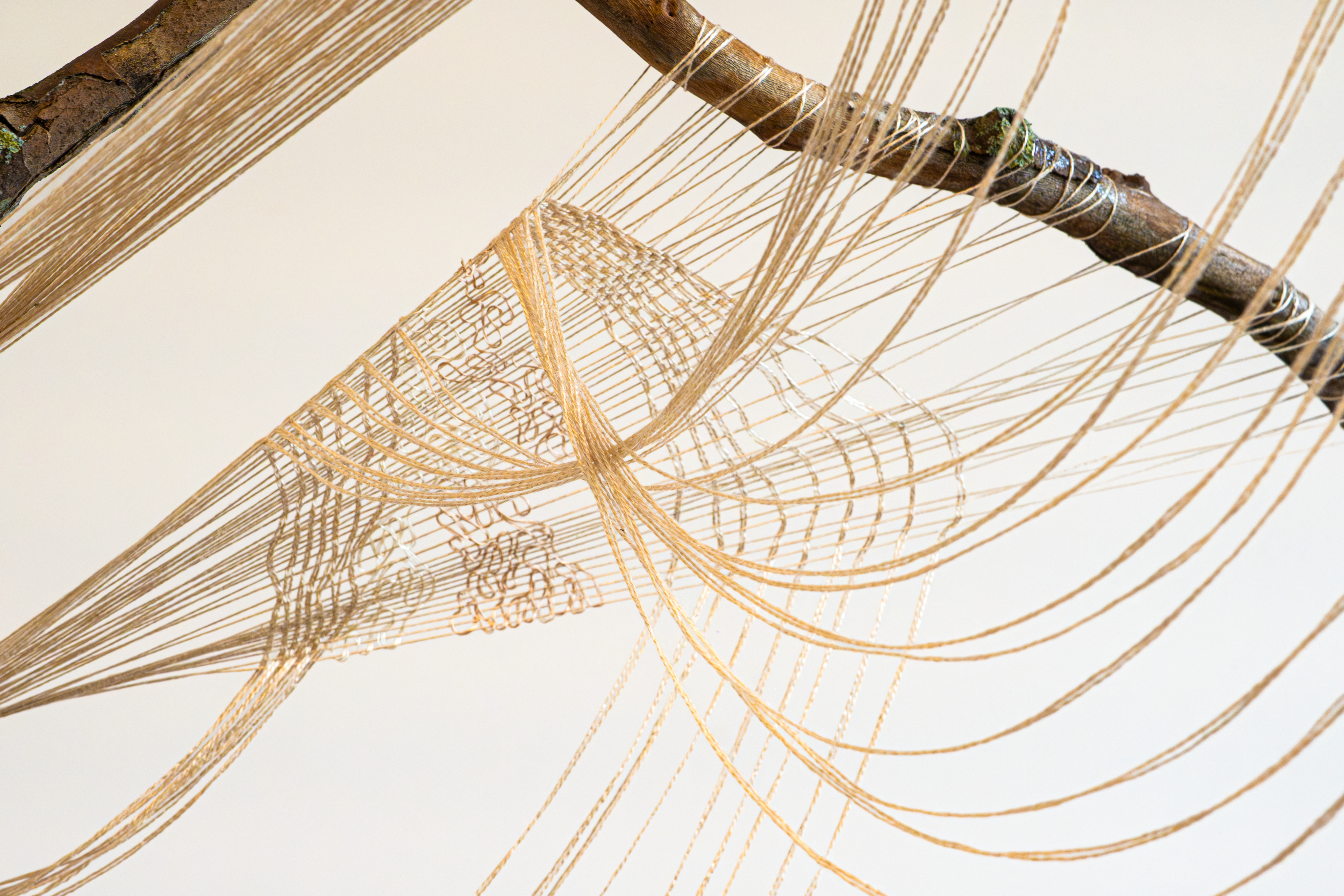
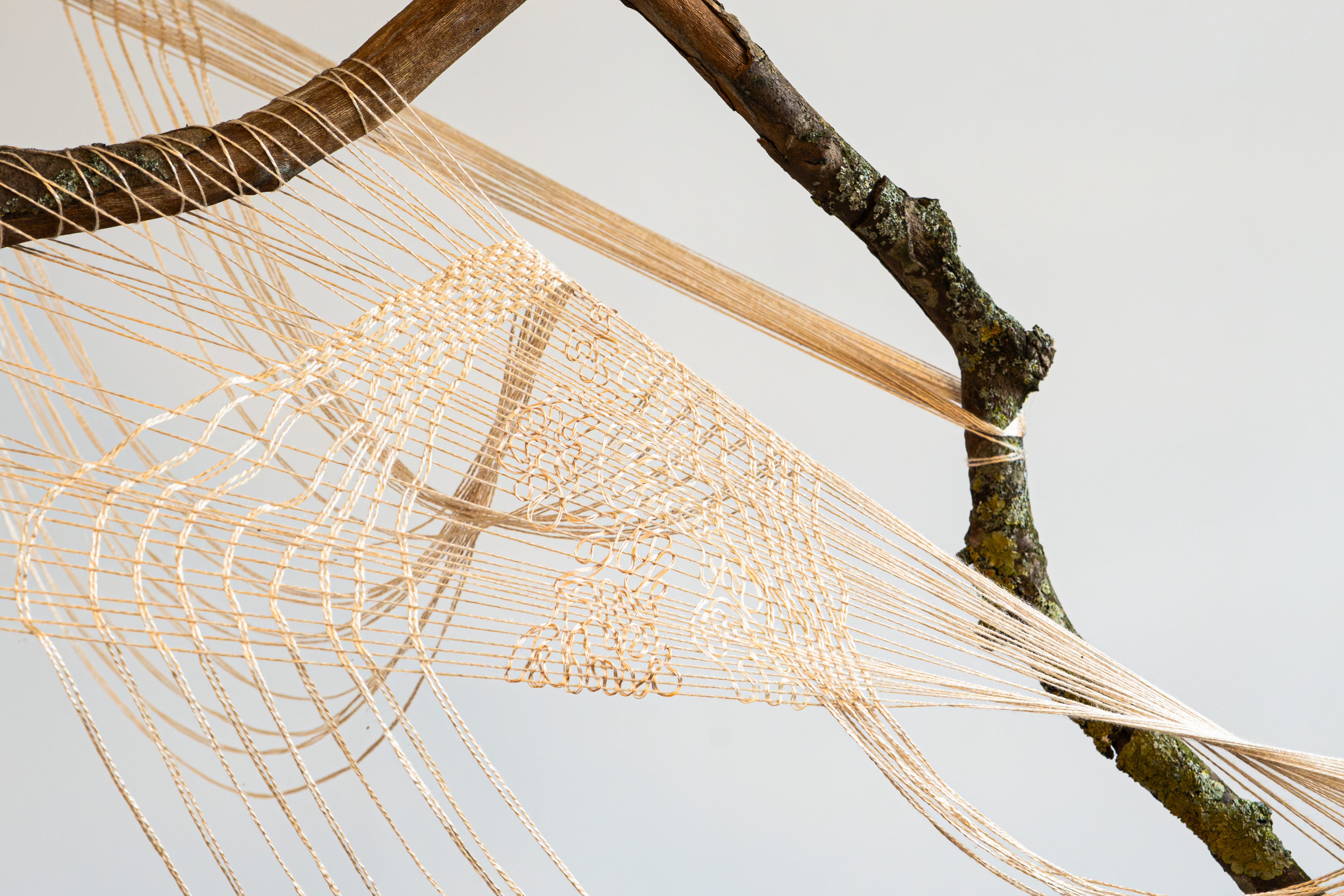
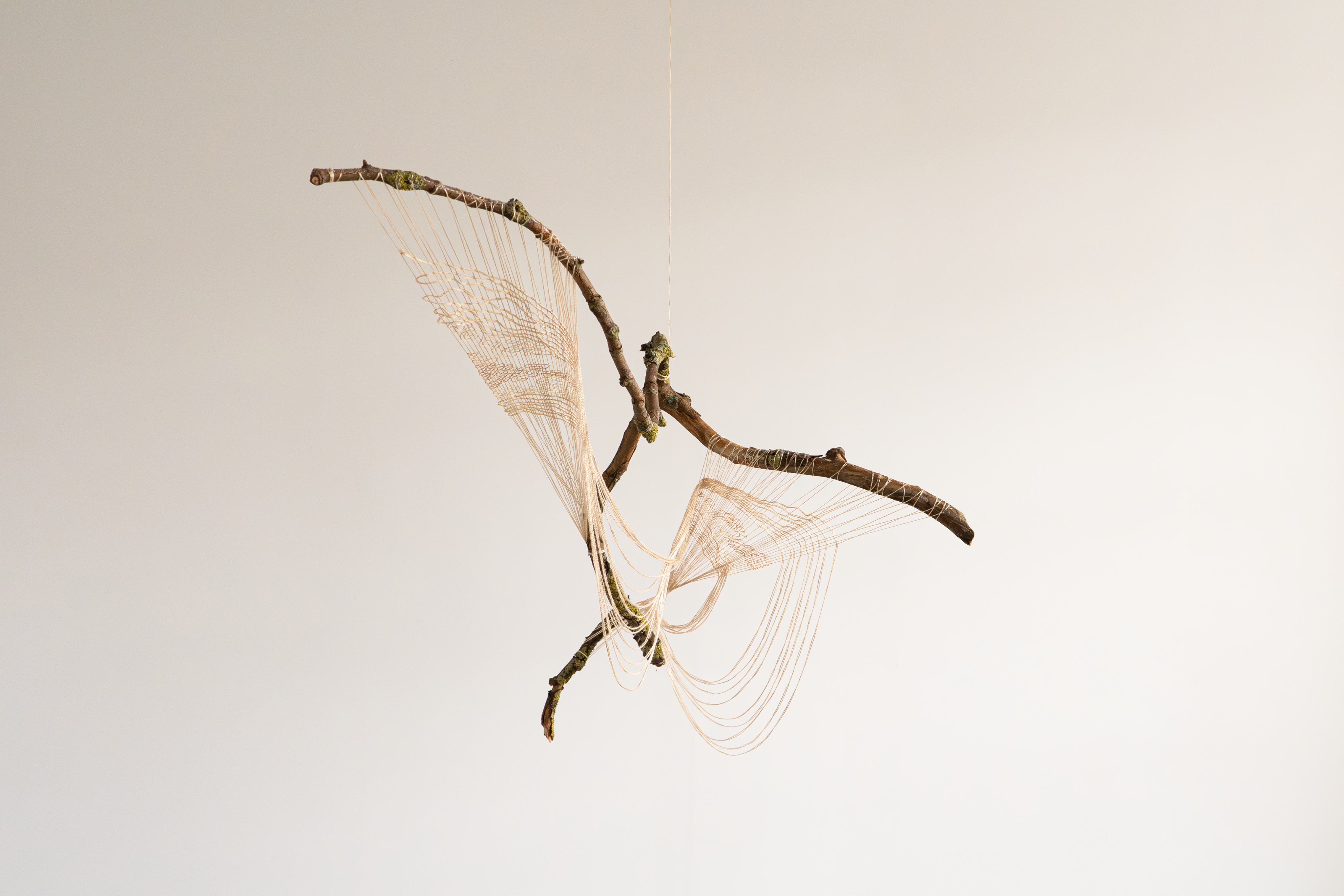
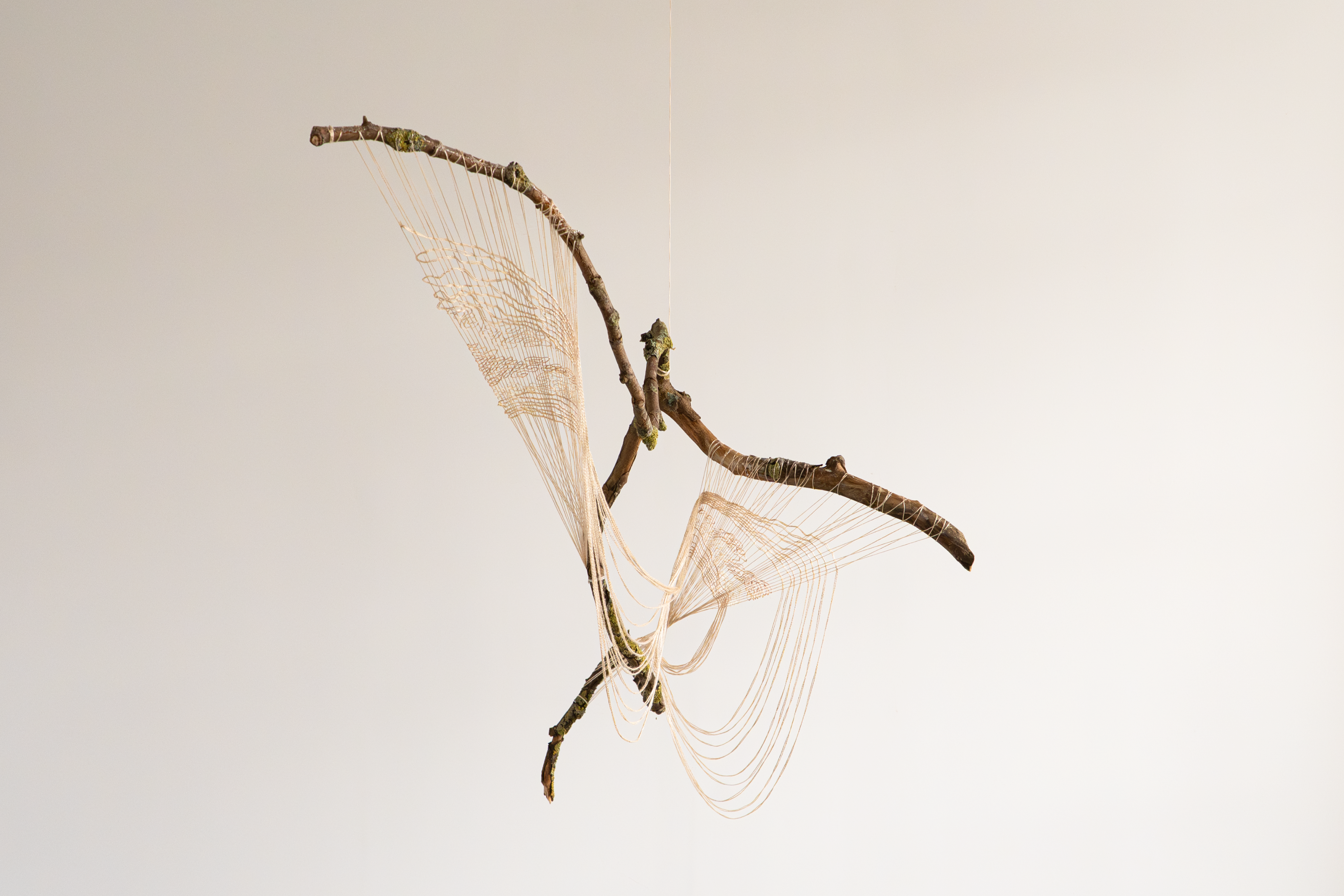
Spun silk, Single twist silk, plane tree branch,
plant dye
Dimensions
120 × 55 x 40 cm
Year
03/2026
About the work
Time Flow I is a personal reflection on my experience of time after arriving in London.
In September 2025, I sat beneath a London plane tree in Hyde Park. At that time, the tree was full of leaves. Six months later, I returned to the same place in winter and found it completely bare. The transformation felt as if it had happened in an instant, yet I realised that the tree had been changing every single day—I simply hadn't taken the time to notice.
This moment made me realise that time is constantly flowing, quietly shaping the world through countless subtle changes. Yet in our daily lives, we are often occupied with one task after another, leaving ourselves little opportunity to truly experience its passage.
Time Flow I is my first attempt to translate this experience into the language of textiles.
01
Collecting Fallen Branches in the Park
02
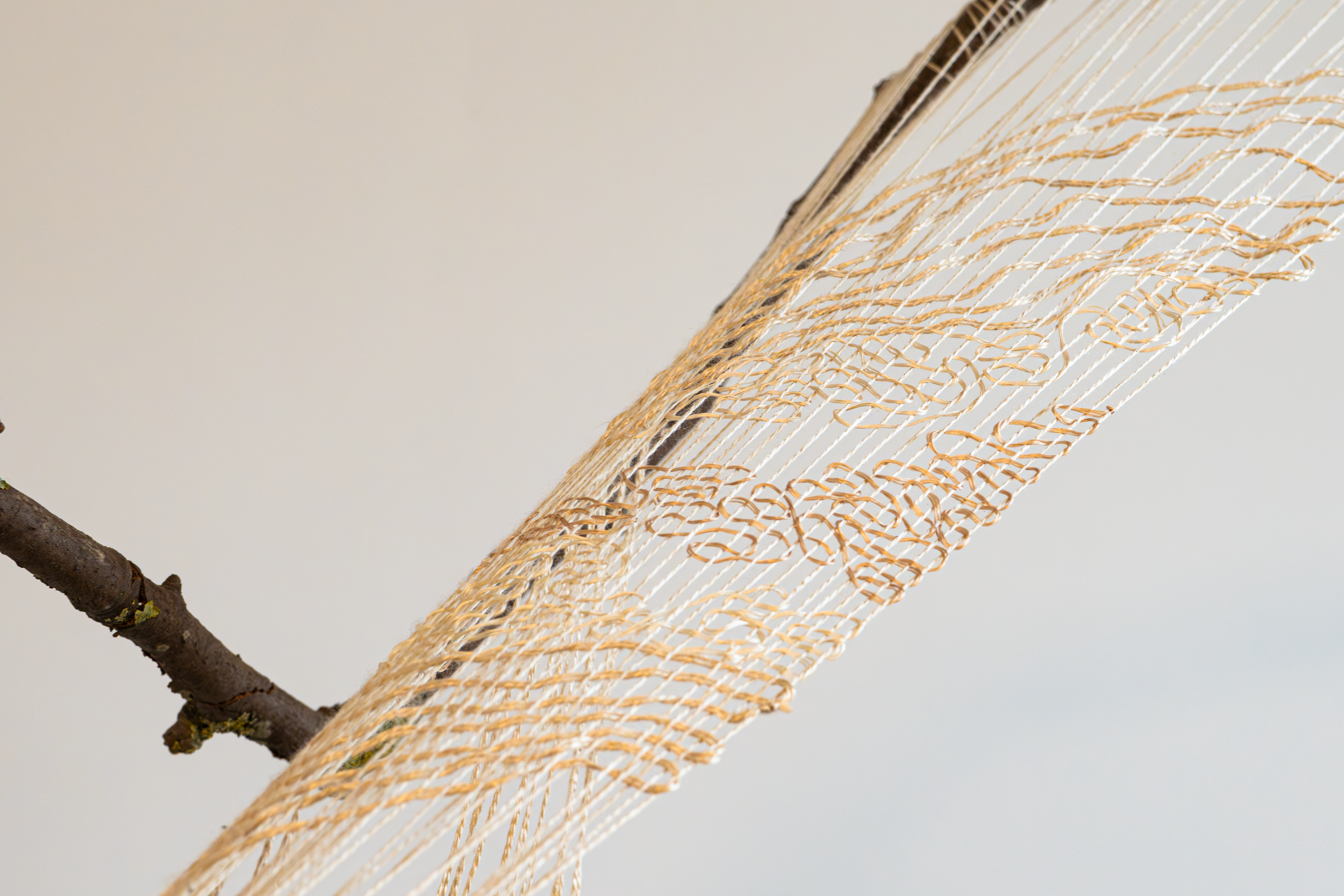
Silk threads naturally dyed with plant pigments
03
Hand-woven weft tracing the flow of time.
Contact
For inquiries,
collaborations,
and exhibitions.
fuhonggang341@outlook.com
Kogo
© 2025 — All rights reserved
Press
Kogo
Work in detail